The difference affects appearance, texture and cooking behaviour, which means the choice should be based on the intended application rather than on price alone.
Understanding the processing method makes it easier to select the right product for a specific market, food-service operation or retail proposition.
What Is Steam Basmati Rice?
Steam Basmati generally refers to Basmati rice processed as white milled rice without the parboiling step associated with Sella.
The paddy is processed through stages such as cleaning, milling, grading and sorting to produce the finished white rice.
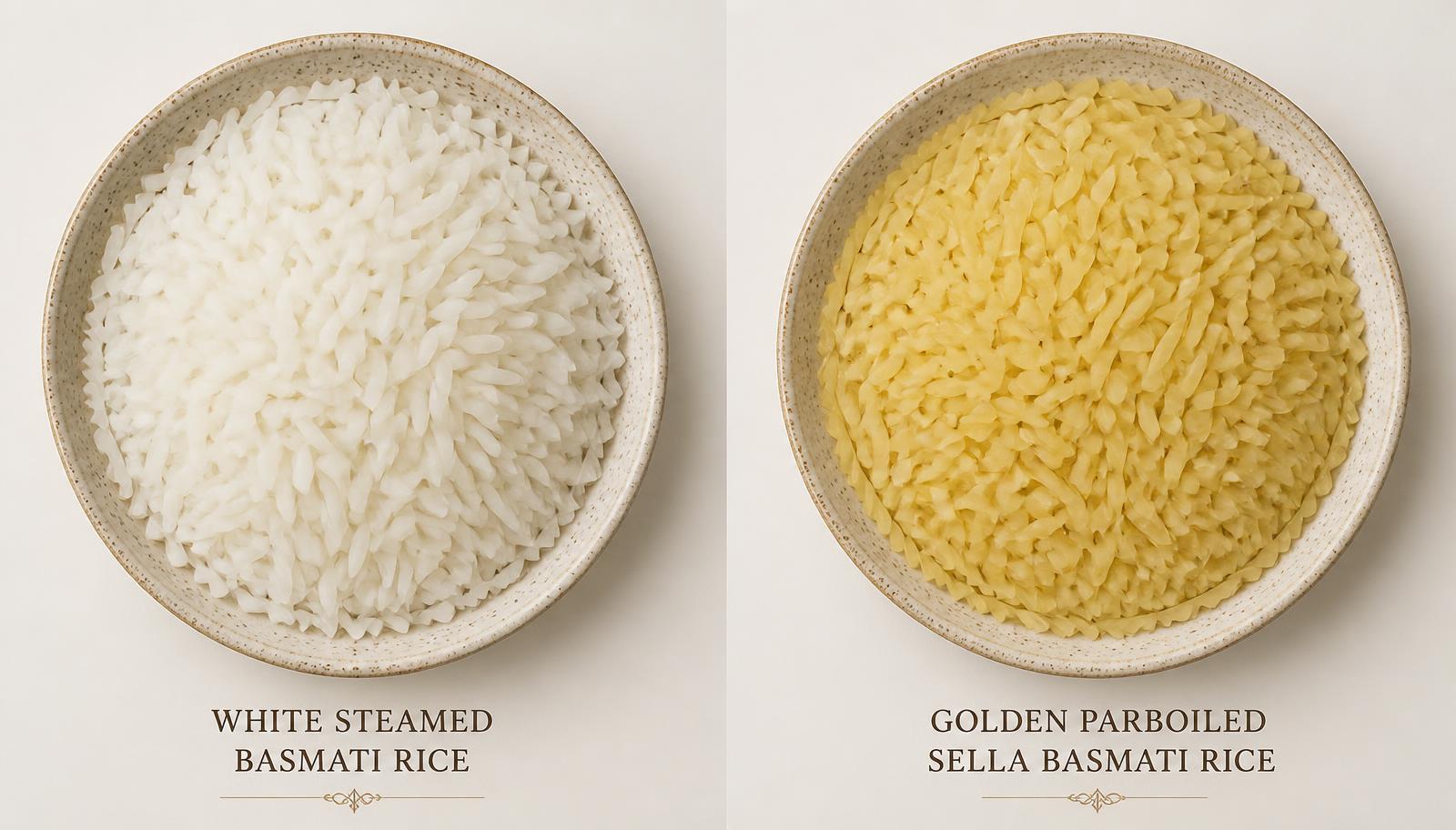
Its appearance is typically associated with a white or translucent kernel, depending on the product specification.
What Is Sella Basmati Rice?
Sella is commonly used to describe parboiled Basmati rice.
Parboiling involves controlled stages such as soaking, heating or steaming, drying and subsequent milling.
The process changes the physical structure of the grain and can influence the final colour, firmness and cooking characteristics.
Different suppliers may offer different Sella presentations, so the precise specification should always be confirmed.
How Do They Look Different?
One of the most obvious differences is appearance.
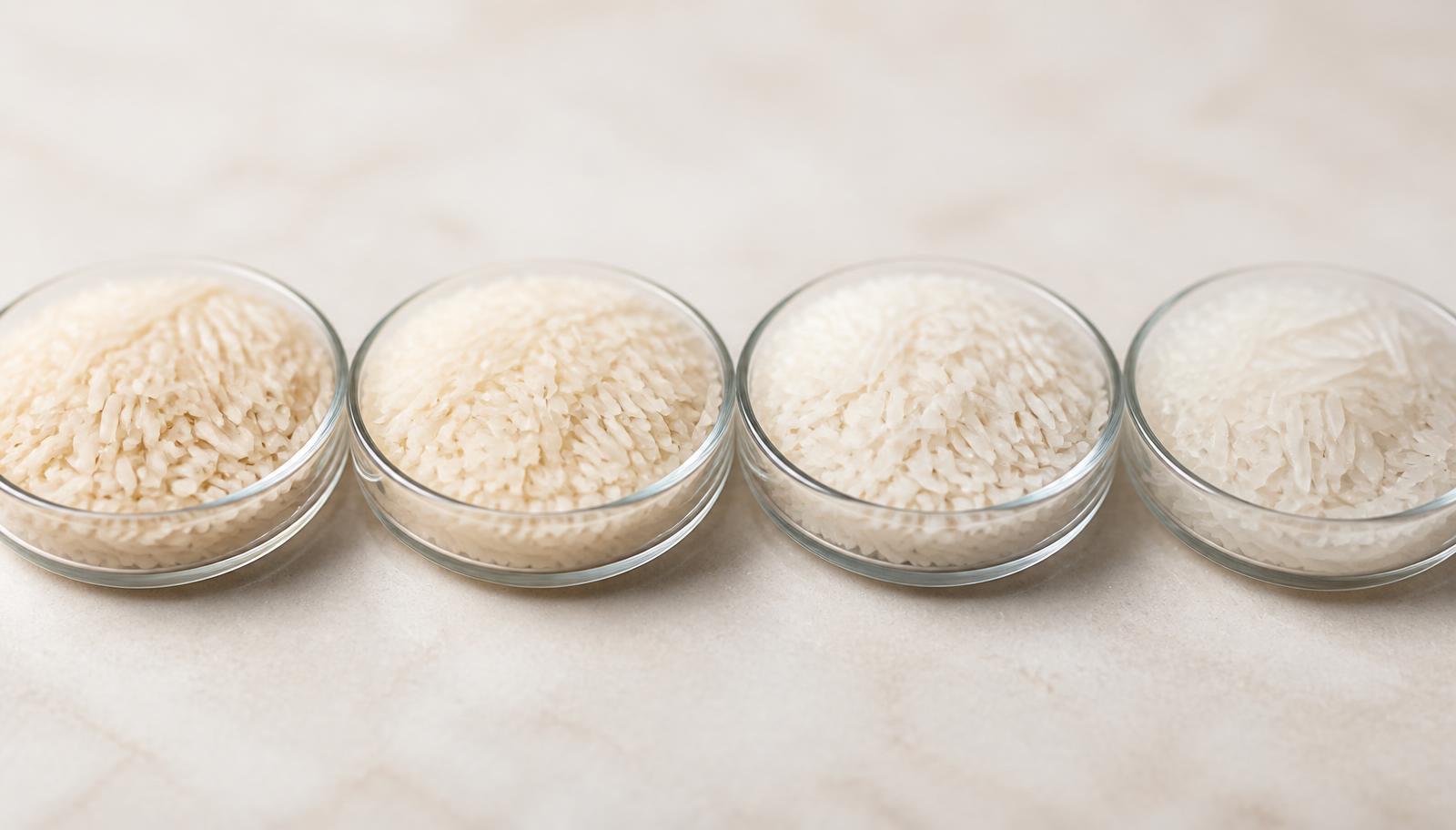
Steam Basmati is generally white in appearance, while Sella may have a cream, yellow or golden appearance depending on the specific process and product.
Colour should therefore be considered together with the agreed product specification rather than used as the only quality indicator.
How Does Processing Affect Texture?
Parboiling changes the structure of rice starches and can produce a firmer, more separate cooked grain.
Steam Basmati may offer a different texture and sensory profile.
The final cooking result also depends on variety, processing conditions, storage and cooking method.
For buyers, an actual cooking trial can therefore be more informative than relying only on a product description.
Cooking Performance
Sella rice is often selected where firmer, more separate grains are desirable.
This can make it useful for food-service and dishes where grains need to retain their shape during cooking and holding.
Steam Basmati may be preferred where aroma, delicate texture and traditional white-rice appearance are central to the product.
Neither option should automatically be considered superior. They serve different preferences and applications.
Nutritional Differences
Parboiling can influence the distribution and retention of certain nutrients within the grain.
However, nutritional outcomes depend on the specific processing and milling conditions.
For this reason, broad claims that one type is always "healthier" should be avoided unless supported by product-specific nutritional data.
For commercial purchasing, the primary decision should normally begin with the intended application and product specification.
Which Should a Buyer Choose?
Choose based on the desired result.
Steam Basmati may be suitable when:
- White appearance is important
- Aroma is a strong selling point
- A more delicate cooked texture is preferred
- The product is positioned around traditional Basmati characteristics
Sella Basmati may be suitable when:
- Separate cooked grains are important
- Firmer texture is preferred
- The product must perform well in food-service environments
- A parboiled product is specifically required
Compare Samples Before Ordering
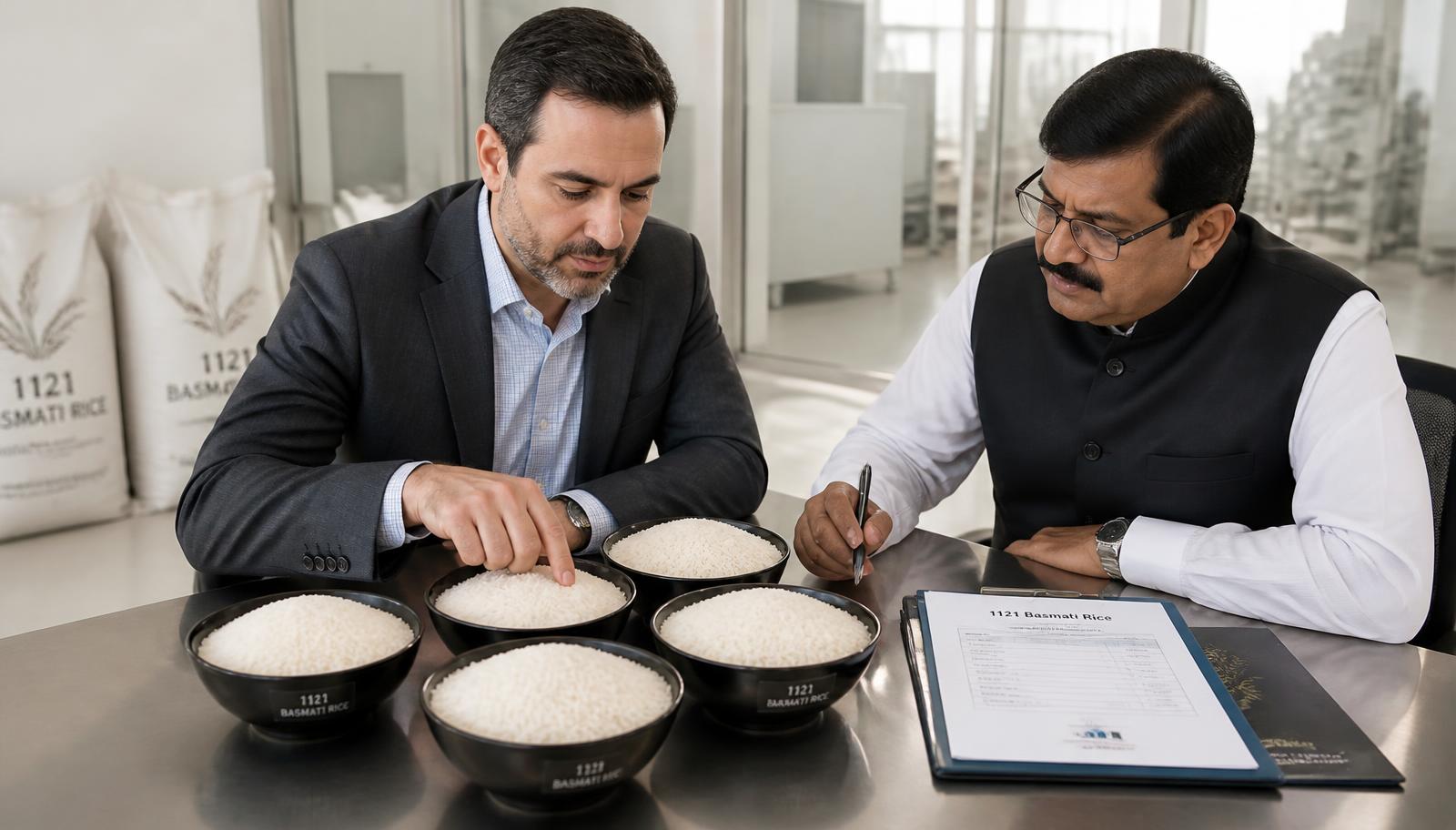
The best way to compare Sella and Steam is to evaluate samples under the same cooking conditions.
Assess:
- Raw appearance
- Aroma
- Grain uniformity
- Cooking time according to product instructions
- Grain separation
- Texture
- Cooked appearance
- Overall eating quality
For B2B buyers, these practical observations should be combined with the supplier's technical specification.